“Which swim aid is the best for my child?” We hear this question almost daily in Graz. The honest answer: no swim aid protects a child from drowning. But some choices are better than others, depending on age, place and goal. This guide sorts the common aids, based on TÜV Rheinland, the American Academy of Pediatrics (AAP), Stiftung Warentest and a DLRG expert.
- No swim aid protects against drowning. TÜV Rheinland: “no protection against drowning”. Toddlers and non-swimmers must never be left to splash unsupervised.
- For getting used to water (up to about 3 years): a swim seat or swim ring, always with an adult within reach.
- For practising: only aids tested to EN 13138. A DLRG expert considers swim belts dangerous and arm bands not very suitable for learning. A back float (“shark fin”) or a swim cushion can make sense if worn correctly.
- At lakes, rivers and on boats: a well-fitting, certified life jacket instead of arm bands (AAP).
- Neck floats for babies: do not use (AAP, FDA).
What to look for when buying
- EN 13138 test mark: swim learning aids must be tested to this standard. Products marked EN 71 or EN ISO 25649 are only water toys or leisure articles, not swim learning aids (TÜV Rheinland).
- At least two air chambers with valves that do not let air escape on their own. If one chamber fails, the other keeps the child at the surface (TÜV Rheinland).
- GS mark: confirms among other things that limits for harmful substances are met.
- No water toys with leg openings (inflatable boats or cars) for small children. They are not approved for learning to swim and can be dangerous for inexperienced toddlers (TÜV Rheinland).
- Right size and weight: follow the manufacturer’s age and body-weight limits; do not let a child “grow into” it.
Tests by Stiftung Warentest show how much quality can differ: in 2011, four of 20 swim aids tested did not meet the EN 13138 standard, and one swim seat capsized as soon as a child simply sat in it. In 2024 the organisation tested twelve swim learning aids (eight arm bands, three belts, one swim cushion), among other things with dummies: do they hold a child in a suitable swimming position, and what happens when an air chamber fails? The full results are behind a paywall at test.de (in German).
The swim aids at a glance
The drawings are illustrations, not product photos. The age grouping follows the ZDFheute guide (June 2025). Which aid fits always depends on the individual child.
Swim seat and swim ring
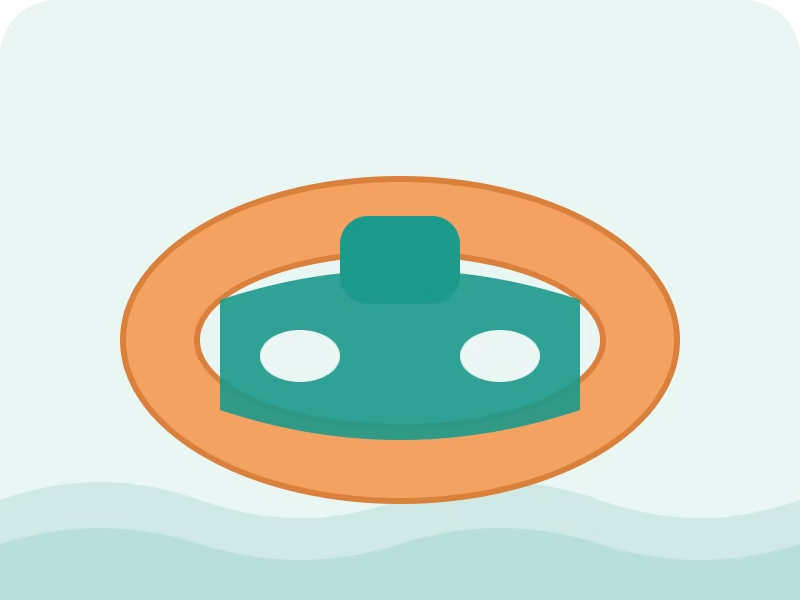
Suitable up to about 36 months and 16 kg body weight. They are for getting babies and toddlers used to water, not for learning to swim. The child sits upright and an adult stays within reach at all times. With older, bigger children, seats can tip over if the leg openings are too large.
Arm bands
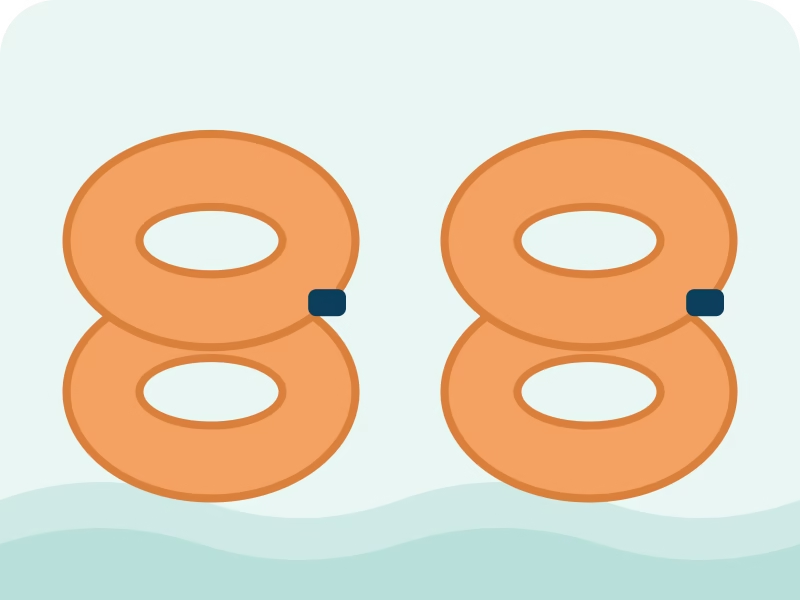
Classed as suitable from about 1 to 2 years. The DLRG expert in the ZDF guide considers classic arm bands rather unsuitable for learning: they “only keep the child above water”. The child hardly learns a horizontal body position. As a play aid under constant supervision they are fine, as safety they are not (AAP).
Swim belt
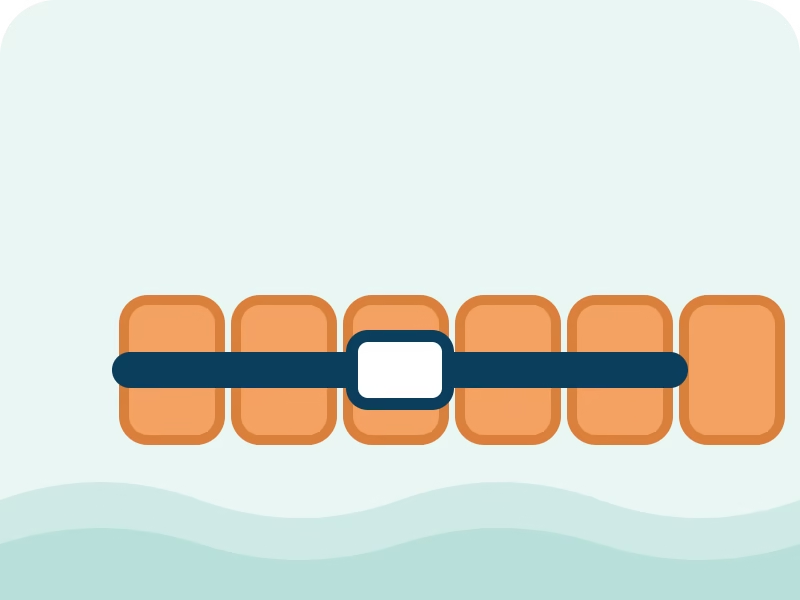
The DLRG expert rates it as dangerous: the belt sits at waist height, lifts the hips, and the child’s heavy head can then end up under water. We therefore advise against fitting a belt on a non-swimmer and leaving them alone. If you do use a belt, only with constant supervision within reach.
Back float (“shark fin”) and swim cushion
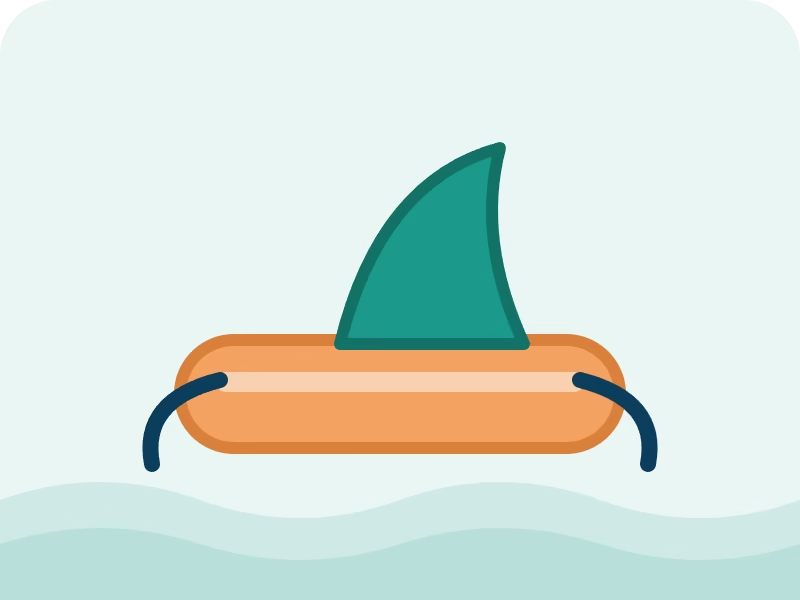
According to the DLRG expert, the back float is the better option for learning: it keeps the body horizontal and leaves arms and legs free. A swim cushion with adjustable air can also help with learning if worn correctly. Here too: supervision within reach, and the aid is phased out step by step.
Swim-learning vest
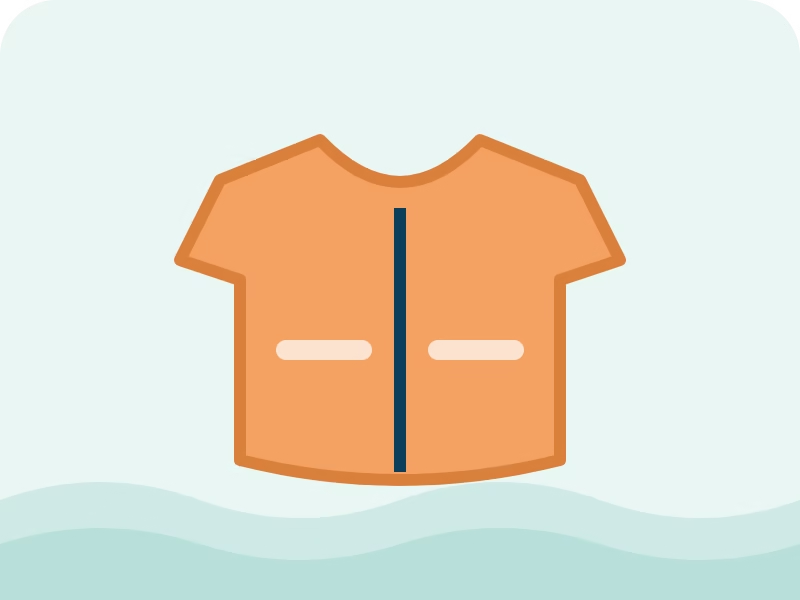
Buoyancy is often strong and restricts the shoulders. In the DLRG expert’s assessment it also gives a “deceptive sense of safety”. A swim-learning vest is not a life jacket: without a collar it does not reliably keep an exhausted or unconscious child’s face above water.
Life jacket with collar
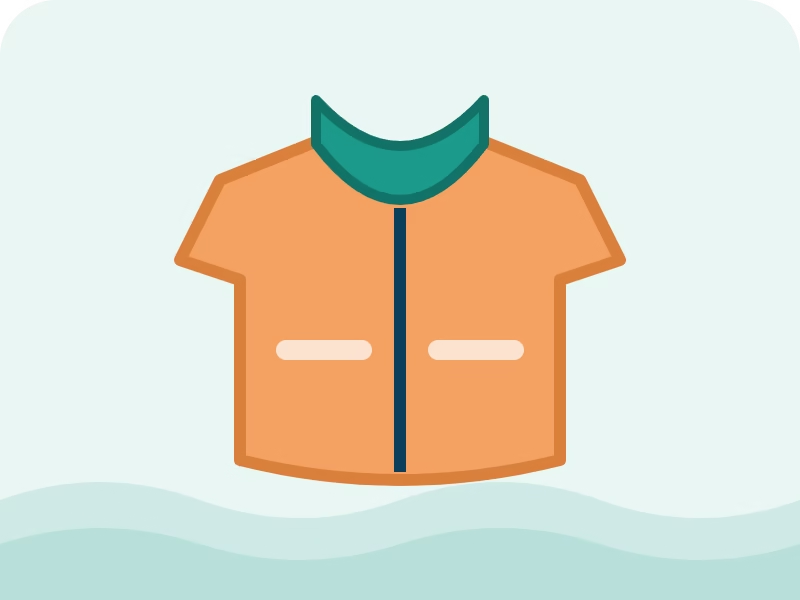
For lakes, rivers and boats, the AAP recommends that children wear a well-fitting, approved life jacket, and also at pools if they are not strong swimmers. The AAP explicitly does not equate arm bands and inflatable toys with an approved life jacket. Look for the right size and CE marking, and try the jacket on in the shop: it must not ride up over the head.
Swim noodle
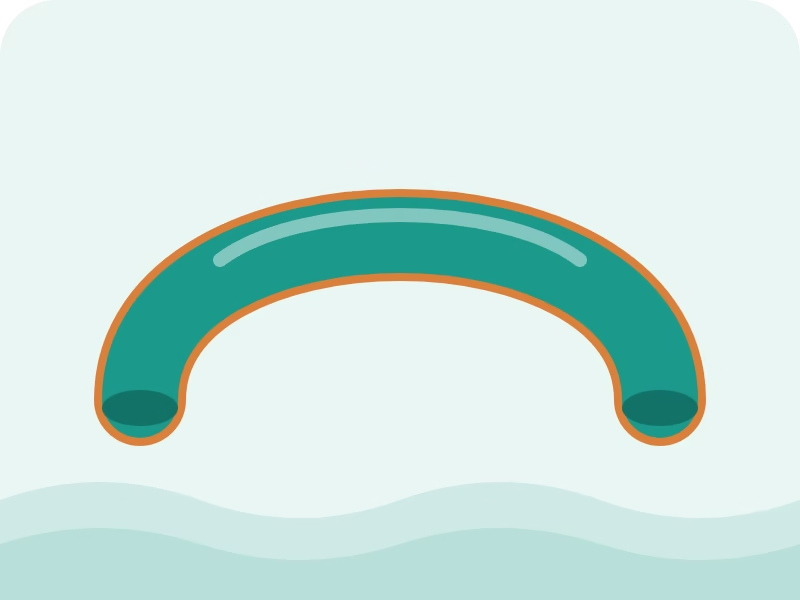
A training aid and toy for children who can already swim, roughly from age 4 to 5. It is not safety for non-swimmers, because the child can slip off.
Neck float for babies
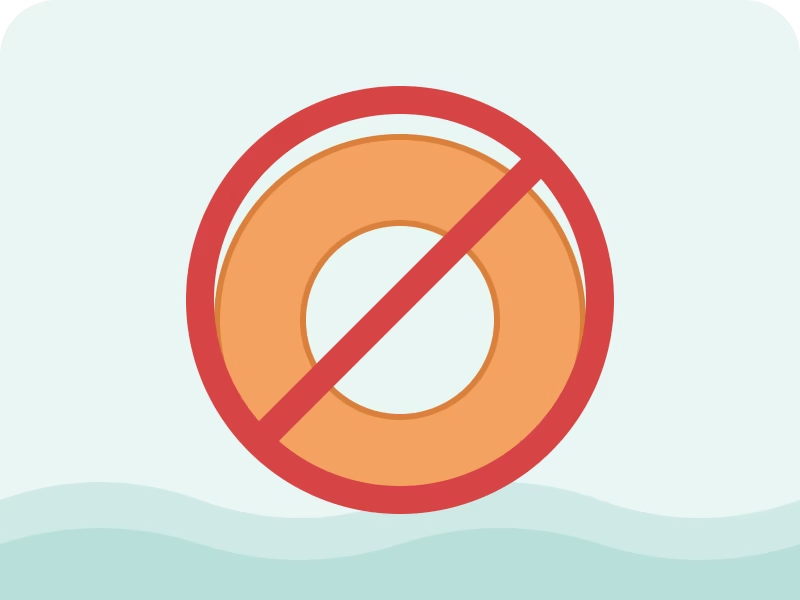
The AAP advises against it: a baby can slip through the ring if it is not properly inflated, leaks or becomes slippery. This can happen in seconds. The US agency CPSC received 115 reports about neck floats from January 2019 to January 2024, including two infant deaths. The FDA warned against using them in 2022.
What we see in our lessons in Graz
Here the research ends and practice begins. What follows is experience, not a study:
- Children learn body position and breathing best when aid and supervision fit together. With 1:1 or 1:2 lessons the instructor can hold the child and dose the support exactly.
- The goal is to drop the aid. TÜV Rheinland writes that children should learn to swim at about age 4 and gradually give up aids. The sooner a child finds its own position in the water without help, the safer it feels later.
- Aids are tools, not a replacement for lessons. If you rely on a buoyancy aid, you should still start a course early.
How early your child may be ready for a course is in At What Age Can Children Learn to Swim?. Basic rules for parents near water are in Water Safety for Children: 7 Rules for Parents. Our offers are on the page Swimming lessons for children in Graz (in German).
Frequently asked questions
Which swim aid is the best for a toddler?
No swim aid protects against drowning. For getting used to water up to about 3 years, a tested swim seat or swim ring is common, always with an adult within reach. Once learning to swim, a back float or swim cushion are the more sensible options according to the DLRG expert. Look for EN 13138.
Are arm bands good for learning to swim?
Not really. The DLRG expert says they only keep the child above water. As a play aid under constant supervision they are fine, as safety they are not (AAP).
Does my child need a life jacket at the lake?
The AAP recommends a well-fitting, approved life jacket for lakes, rivers and boats. Arm bands and inflatable toys are not a substitute.
When does my child no longer need a swim aid?
That depends on the child. TÜV Rheinland names about 4 years as the age when children should learn to swim and gradually give up aids. The AAP says most children are ready for swimming lessons by age 4 or 5. Supervision remains necessary regardless.
Sources
- TÜV Rheinland (in German): Bei Schwimmlernhilfen auf Prüfzeichen achten (30 July 2021)
- ZDFheute (in German): Schwimmflügel und Co. für Kinder: Wofür sich welche Schwimmhilfe eignet (3 June 2025, with assessments from DLRG Rheinland-Pfalz)
- American Academy of Pediatrics (AAP): Are Baby Neck Floats Safe to Use in the Tub or Pool? (23 July 2026)
- American Academy of Pediatrics (AAP): Water Safety and Young Children / Drowning Prevention for Curious Toddlers (accessed October 2026)
- Stiftung Warentest (in German): Schwimmflügel & Schwimmgürtel im Test (24 April 2024, method public, results paywalled)
- Stiftung Warentest (in German): Sicherheit von Schwimmhilfen – Vorsicht vor Ertrinken (23 June 2011)
This article does not replace advice from manufacturers, specialist shops or your paediatrician. A swim aid never replaces supervision by an adult.
You might also like
Water Safety for Children: 7 Rules for Parents at the Pool and the Lake
Supervision, swim aids, bathing rules, first aid: what the WHO, paediatricians and water rescue advise parents – with sources and tips from Graz.
Front Crawl for Adults: What the Research Says About Health
Why learn front crawl? What studies say about swimming, heart health, blood pressure and joints – with sources and tips from our lessons in …
Making Swimming a Routine for Your Child: Health Benefits and Practical Tips
What does regular swimming really do for children? Evidence on fitness, asthma and safety, plus 8 tips to make swimming a lasting habit.